
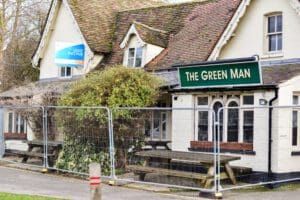
More than 300 pubs, bars and restaurants have served their last pint and plated their last cover since the start of the year, as Britain’s licensed trade groans under the combined weight of higher wage bills, stubborn energy costs and customers who are quietly drinking and dining at home.
Fresh analysis from CGA by NIQ, the market research group, shows the number of licensed premises across the UK slipped to 98,609 by the end of March, a net loss of 305 venues since December, or rather more than three closures every single day. Coming on top of the 382 sites lost between September and December, the figures mean the country has shed 0.7 per cent of its licensed estate in just six months.
It is a slow-motion contraction that is now accelerating. Casual dining has been hit hardest, with the number of restaurants in that bracket falling by 0.9 per cent in the first quarter alone. Bars, nightclubs, traditional pubs and social clubs have also gone to the wall as households defer the small discretionary treats, a Friday curry, a midweek pint, a birthday dinner, that have long propped up neighbourhood operators.
Behind the headline numbers sits a familiar but increasingly toxic mix of cost pressures. April’s rise in employers’ national insurance contributions, the upward ratchet on business rates and persistently elevated food prices have eaten into already wafer-thin margins. Energy bills, which many operators had hoped would ease this year, have instead been pushed higher by the war in the Gulf, with wholesale gas and fuel prices feeding through to suppliers and threatening another round of menu price rises that publicans are reluctant to pass on to bruised customers.
Karl Chessell, director of hospitality operators and food at NIQ, said confidence among both businesses and consumers remained stubbornly low and warned that “geopolitical crises are likely to cause more damage in the months ahead”. While many operators had “shown remarkable resilience”, he said, “thousands are now nearing breaking point”.
“Soaring costs have taken a heavy toll on hospitality in the first quarter,” Chessell added. “Without targeted support, more closures can be expected over the rest of 2026.”
The trade is now lobbying ministers in earnest for a sector-specific package, a permanent reduction in business rates for hospitality, a lower rate of VAT on food and drink in line with much of continental Europe, and a softening of the national insurance changes for smaller employers. Operators argue that the alternative is the slow hollowing-out of the British high street, with independents and chains alike disappearing from market towns and city centres at a rate not seen since the depths of the pandemic.
For now, the maths is brutally simple. Wages, energy and tax are all rising; footfall and spend per head are not. Until that equation shifts, through policy, peace or a meaningful rebound in consumer confidence, the country’s pubs, bars and restaurants will keep going dark, three a day, one local at a time.
Read more:
Three licensed venues a day are going dark as Britain’s hospitality sector buckles