
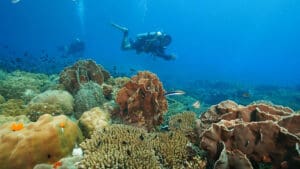
For resort owners, dive centre managers and hospitality operators, a well-written scuba diving guide in Bali, Indonesia, is more than a visitor resource; it is a bridge between guest expectations, marine responsibility and sustainable local business.
Bali’s dive industry has matured into one of Indonesia’s most recognisable tourism segments, yet its strongest lessons are not only underwater. They are found in the way destinations manage trust, safety, service quality, and long-term value.
Bali as a Benchmark for Experience-Led Hospitality
Scuba diving in Bali has become a powerful example of experience-led travel. Guests no longer choose a destination only because it is beautiful. They look for confidence, clarity and a sense that their money supports skilled people, safe operations and responsible tourism.
For Indonesian resorts, this matters. A guest who books a dive trip is often making a bigger emotional decision than simply buying an activity. They are trusting a team with their safety, their holiday time and, in many cases, a personal milestone.
The strongest operators understand that the diving experience begins long before the boat leaves the beach. It starts with the first message, the tone of the booking process, the condition of the equipment room and the way staff explain the day’s conditions.
Clear communication creates confidence.
Clean facilities shape first impressions.
Local knowledge adds authenticity.
Safety culture builds repeat business.
A detailed scuba diving guide in Bali, Indonesia, can help operators communicate these standards clearly, turning first-time visitors into loyal, returning guests.
Why Bali Still Appeals to International Divers
Bali offers variety in a compact and accessible format. From calm shore entries to dramatic walls, wrecks and colourful reefs, the island can serve beginners, experienced divers, underwater photographers and family travellers.
This variety is one reason many travellers search for the best diving in Bali when planning a broader Indonesian holiday. They may not be expert divers, but they recognise Bali as a convenient entry point into Indonesia’s marine world.
For hospitality businesses, this presents an opportunity to design better guest journeys. A resort does not need to operate a dive centre directly to benefit from the dive market. It can partner with reputable operators, train front-office staff to answer basic diving questions and create realistic itineraries that respect weather, distance and guest ability.
The Business Value of Honest Guest Guidance
In hospitality, overselling can quickly damage trust. Diving makes this even more important. Not every site is suitable every day, and not every guest should be encouraged to take on the most challenging experience.
A professional recommendation should consider:
Certification level and recent dive experience.
Comfort in currents or deeper water.
Travel time from the hotel.
Seasonal visibility and sea conditions.
Whether the guest wants relaxation, photography or adventure.
When resorts and dive centres offer honest guidance, they protect the guest experience and the destination’s reputation. This is particularly important in a market where online reviews influence booking decisions across hotels, restaurants and activity providers.
Amed: A Case Study in Community-Based Dive Tourism
Scuba diving in Amed, Bali, shows how a destination can build a strong identity without feeling overdeveloped. Amed’s appeal lies in its slower rhythm, shore-based diving, traditional coastal villages and easy access to sites suitable for both training and leisure dives.
For resort clients, Amed offers a useful lesson: not every successful tourism product needs to be high-volume. Many guests are actively seeking places that feel personal, grounded and locally connected. They want comfort, but they do not necessarily want a resort experience that feels detached from the surrounding community.
What Amed Gets Right
Amed’s strengths are not only natural. They are operational and cultural:
Many dive sites are close to accommodation.
Local staff often have deep knowledge of sea conditions.
The atmosphere encourages longer stays.
Smaller businesses can create a highly personal service.
The setting supports wellness, food, culture, and diving in a single itinerary.
This kind of destination model is valuable for other Indonesian regions aiming to grow marine tourism without losing their identity.
Safety as a Hospitality Standard, Not Just a Diving Rule
In the dive industry, safety is sometimes treated as a technical subject. In reality, it is also a hospitality standard. Guests notice whether staff are calm, organised and attentive. They notice whether briefings are clear, whether tanks are checked properly and whether the team appears rushed.
Resorts that recommend dive partners should treat safety due diligence as part of brand protection. A guest may book the dive externally, but if the resort suggested it, the experience reflects on the property.
A practical hospitality approach includes checking whether a dive operator maintains equipment, employs qualified professionals, provides clear insurance information, and communicates cancellation policies transparently. These are business basics, but they are also guest-care essentials.
Sustainability Is Now Part of the Guest Experience
Marine tourism in Indonesia depends on healthy reefs, clean beaches and respectful interaction with local communities. Sustainability is no longer a side message placed at the bottom of a brochure. It affects purchasing decisions, staff pride and destination resilience.
For dive centres, this can include responsible buoyancy education, reef-safe briefings, low-impact boat procedures and participation in local clean-up or conservation initiatives. For resorts, it may involve reducing plastic waste, managing wastewater responsibly and supporting community-led environmental projects.
The important point is sincerity. Guests can often distinguish between genuine practice and decorative messaging. Businesses do not need to claim perfection; they need to show progress, consistency and accountability.
Building Better Partnerships Between Resorts and Dive Centres
The relationship between accommodation providers and dive centres should be treated as a strategic partnership rather than a simple referral channel. Both sides serve the same guest, and both benefit when expectations are aligned.
Strong Partnerships Usually Include
Shared standards on safety and communication.
Accurate information at reception or concierge desks.
Clear pick-up times and transport arrangements.
Feedback loops after guest experiences.
Mutual understanding of seasonal demand.
Respect for local pricing and professional margins.
When these elements are in place, the guest experiences one connected service journey instead of separate, fragmented transactions.
Training Staff to Speak the Language of Divers
Hospitality teams do not need to become dive professionals, but they should understand the basics. A receptionist who can explain the difference between a beginner discovery dive and a certified fun dive immediately adds value.
Simple staff training can cover:
Common dive certification levels.
Approximate travel times to key dive areas.
What guests should bring.
Why flying after diving requires planning.
How the weather can affect daily schedules.
This type of knowledge reduces confusion and prevents unrealistic promises. It also positions the resort as competent and guest-focused.
What Indonesian Hospitality Can Learn from Bali’s Dive Market
Bali’s dive sector demonstrates that niche tourism can support broader hospitality performance when managed carefully. Diving brings guests who often stay longer, spend across multiple services and value local expertise. However, the market also demands professionalism, transparency and respect for nature.
The most successful businesses are not simply selling rooms, dives or transfers. They are curating confidence. They understand that modern travellers want memorable experiences, but they also want to feel informed and safe.
A More Thoughtful Future for Marine Tourism
Indonesia has some of the world’s richest marine environments, but natural beauty alone is not a business plan. Long-term success will depend on skilled people, honest communication, environmental care, and cooperation among resorts, dive centres, and local communities.
For readers of BM Magazine, the lesson is relevant beyond tourism. Bali’s diving industry shows how specialist sectors can build value through trust, service design and responsible growth. The reef may attract the guests, but the professionalism of the people behind the experience is what brings them back.
Read more:
Beyond the Reef – What Bali’s Diving Economy Can Teach Indonesia’s Hospitality Sector